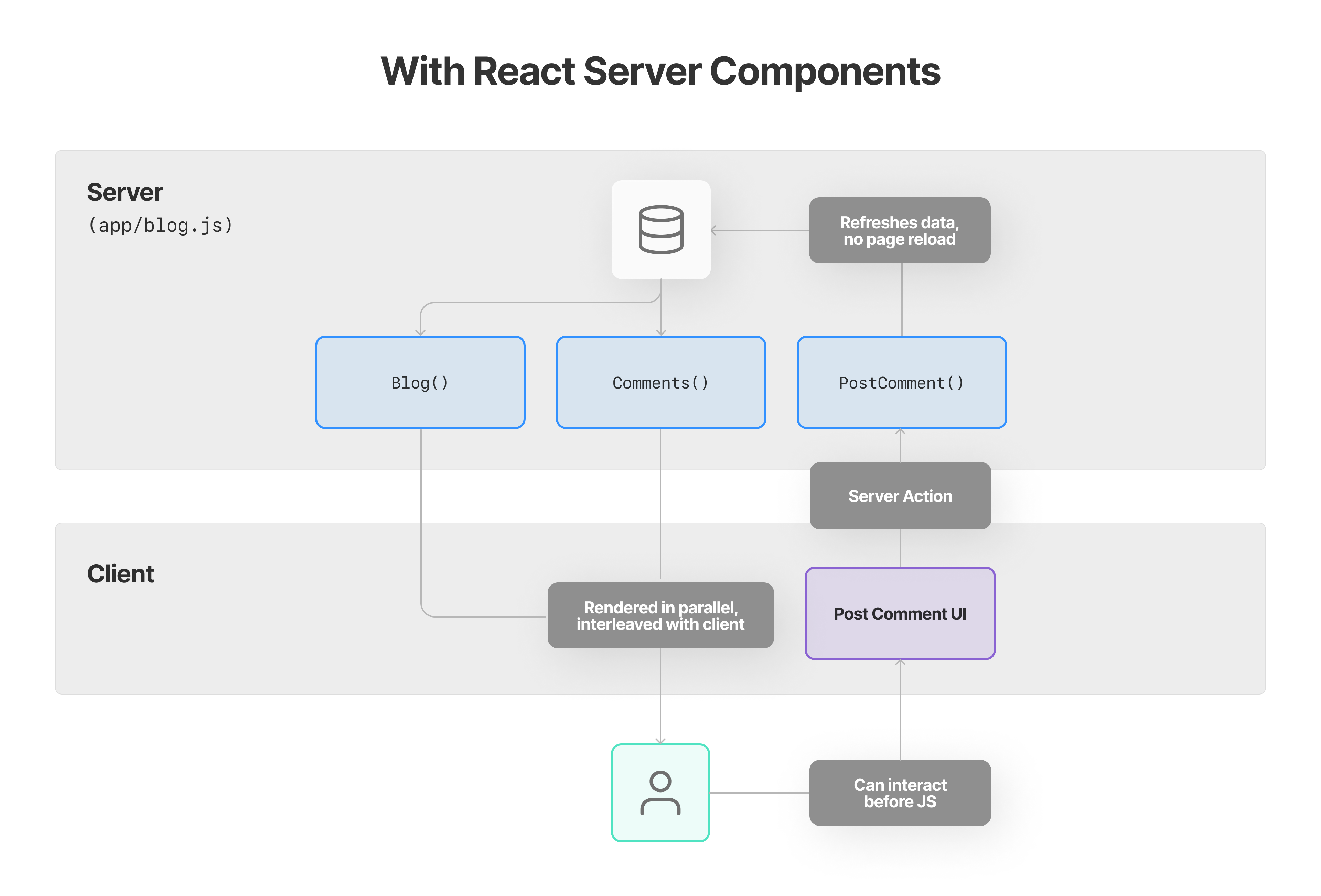

Vercel's v15 update brings React Server Components, promising performance gains. But for lean startups, this powerful tech can become a hidden velocity trap, impacting critical time-to-market.
Key Takeaways (TL;DR)
- 1Vercel v15's React Server Components introduce performance benefits but significant architectural complexity.
- 2For lean startups, this complexity can create a 'velocity trap,' impacting time-to-market and iteration speed.
- 3Prioritize simplicity and proven patterns during the early search for product-market fit.
- 4Strategic adoption of RSCs, guided by experts, is crucial for balancing innovation with sustainable growth.
- 5GoodForm Collective provides high-fidelity solutions to ensure technology choices accelerate startup growth.
You're building at breakneck speed, every line of code a direct investment into your runway. Then, a new framework feature drops, promising the moon, and you wonder: is this the upgrade that unlocks hypergrowth, or a hidden complexity that will derail your precious velocity?
The TL;DR
- What Happened: Vercel released v15, deeply integrating React Server Components (RSC) into its Next.js ecosystem. This move pushes server-side rendering and data fetching capabilities further into the core of front-end development.
- Why it Matters: While RSCs promise performance benefits and reduced client-side bundles, their adoption can introduce significant complexity, alter development paradigms, and potentially create unforeseen tech debt for early-stage startups focused on rapid product-market fit iteration.
- The Founder's Playbook: Prioritize simplicity and known patterns during early-stage development. Understand the true cost of abstraction. Engage experts like GoodForm Collective to ensure your architecture supports, rather than hinders, your essential iteration speed and future scaling needs.
The Promise of Server Components (and the Catch)
React Server Components are designed to run on the server, fetching data and rendering parts of your UI before sending minimal HTML and client-side JavaScript to the browser. The dream: lightning-fast page loads, smaller bundle sizes, and improved SEO.
For established enterprises with dedicated performance teams, this is a powerful lever. For a lean startup, however, the architectural shift required to fully embrace RSCs can be a significant undertaking. It's not just a 'feature' – it's a paradigm shift in how you think about components, data, and state.
The Velocity Equation for Founders
Your startup's most valuable asset is its velocity. Every decision, especially around core technology, must support your ability to rapidly build, test, and pivot. RSCs, while offering long-term benefits, can introduce friction:
- Increased Learning Curve: Your team must master new patterns for data fetching, state management across server/client boundaries, and hydration. This takes time away from building features.
- Debugging Complexity: Tracing issues across server and client components can be significantly more challenging, impacting your developer experience and slowing down fixes.
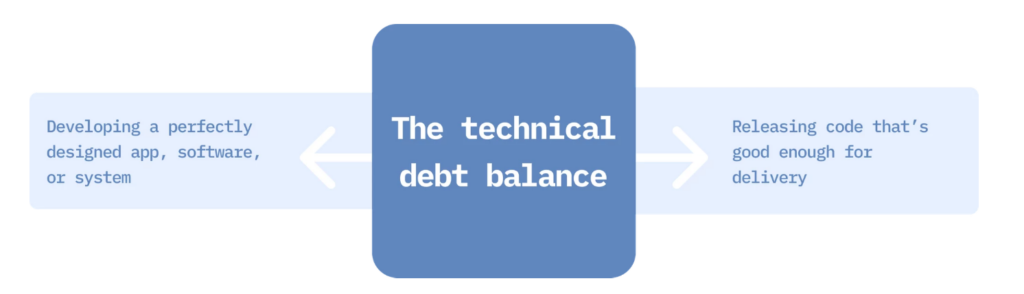
- Architectural Overhead: Designing systems where data flows seamlessly between server and client without creating tightly coupled, fragile code demands foresight and experience, potentially leading to substantial tech debt down the line if not managed expertly.
Navigating the Vercel v15 Landscape
So, should you avoid RSCs entirely? Not necessarily. The key is strategic adoption.
For startups still seeking product-market fit, simplicity is king. Focus on robust, well-understood patterns that maximize your time-to-market. Don't chase the bleeding edge if it compromises your immediate execution.
If you're beyond early validation and scaling rapidly with specific performance bottlenecks, or building a highly SEO-critical application, then a measured adoption of RSCs, guided by experienced architects, might be warranted.
GoodForm Collective: Your Accelerator for Digital Execution
At GoodForm Collective, we understand the founder's imperative: speed without compromise. Our elite teams specialize in architecting digital products that balance cutting-edge capabilities with practical, scalable solutions. We help you navigate complex decisions like Vercel v15 and RSCs, ensuring your technology choices accelerate, rather than impede, your growth trajectory and protect your unit economics.

The Founder's Strategic Playbook
Before diving headfirst into Vercel v15 and Server Components, ask these questions:
- What is the direct, measurable impact on user experience and business goals RIGHT NOW?
- Does my team have the bandwidth and expertise to adopt this without sacrificing immediate feature delivery?
- Am I introducing complexity that will slow down future iterations or significantly increase tech debt?
Remember, innovation is about solving problems efficiently. Sometimes, the most innovative solution is the simplest one that gets you to market faster, allows for quicker learning, and positions you for sustainable scaling.
Make informed decisions. Prioritize your velocity. Your runway depends on it.
Frequently Asked Questions
Turn these insights into your competitive advantage.
We help ambitious brands build digital products that define categories. Stop reading about the future and start building it.