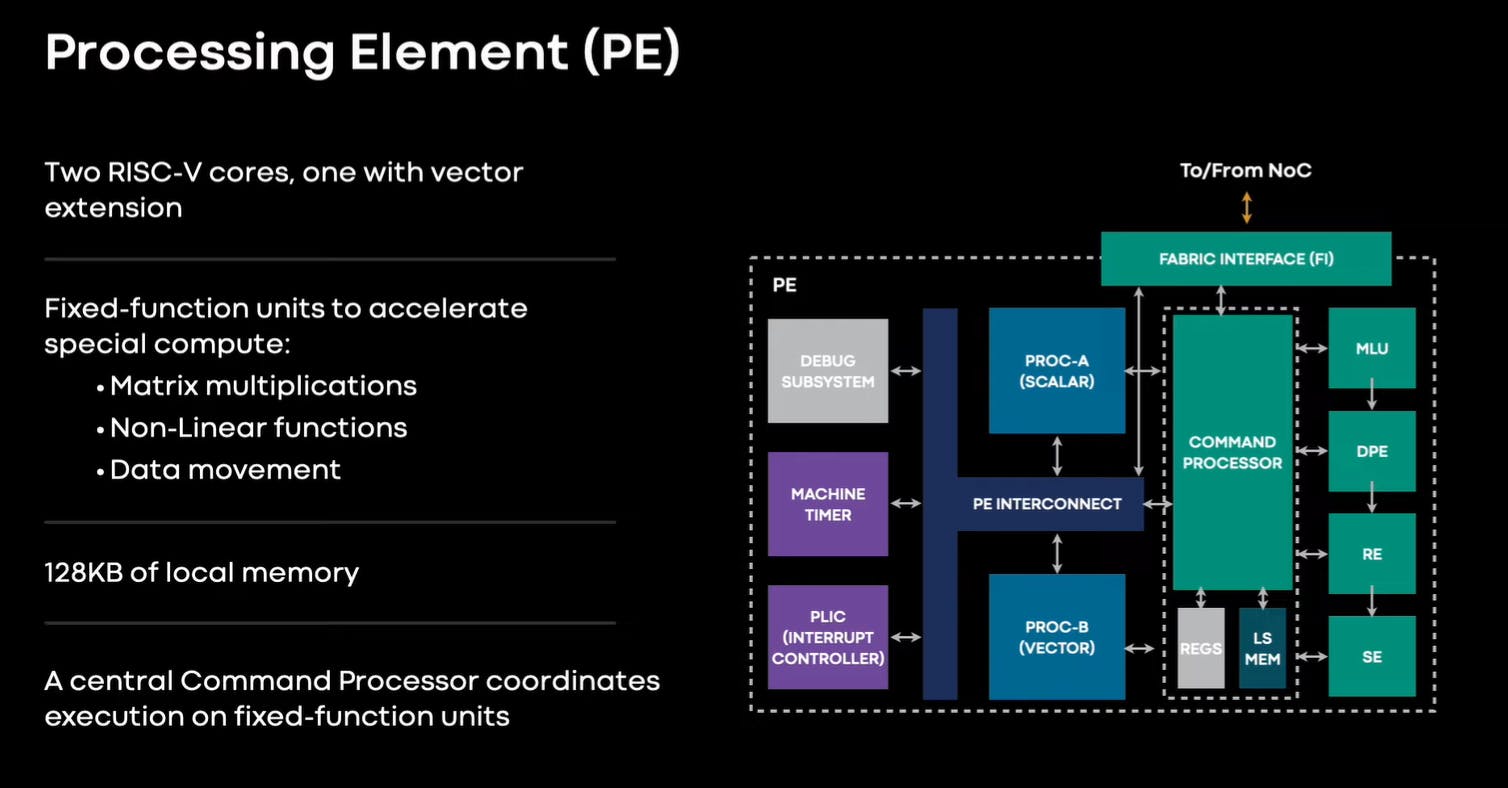

Meta releases MTIA v3 custom AI chip designs under permissive license, democratizing inference silicon for startups.
Key Takeaways (TL;DR)
- 1AI Hardware is reshaping competitive dynamics for US startups
- 2First-mover advantage compounds faster than feature advantage
- 3Design quality and UX polish are the primary differentiators in crowded markets
Meta releases MTIA v3 custom AI chip designs under permissive license, democratizing inference silicon for startups. For American founders building in this space, the implications cut deep — and the window to act is narrowing fast.
The TL;DR
- The shift is structural — Meta Open-Sources AI Chip Design isn't a blip. The underlying market dynamics are permanently restructuring how startups compete, raise, and scale in Silicon Valley and beyond.
- Velocity is the moat — Founders who move first capture disproportionate value. Waiting for "more data" is the most expensive decision you'll make this quarter.
- Design is the multiplier — In saturated markets, the product that looks sharper, converts harder, and feels more intentional wins. Every time.
What's Actually Happening
The tech landscape is moving at a pace that makes last year feel quaint. Meta releases MTIA v3 custom AI chip designs under permissive license, democratizing inference silicon for startups.
For early-stage teams in Silicon Valley, this creates a classic founder dilemma: move fast and risk building on shifting ground, or wait and watch competitors claim the territory. The data from the last 18 months is unambiguous — the movers outperformed the watchers by 3-4x on every metric that matters: user acquisition, conversion, and follow-on funding.
What makes this moment different is the convergence. AI Hardware, Open Source, and Meta are colliding in ways that create genuinely new categories — not just incremental improvements to existing ones. The founders who see the intersection, not just the individual trends, are the ones building the next wave of category-defining companies.
The American Founder's Playbook
Here's what this means if you're building from Silicon Valley:
Audit your positioning ruthlessly. If your product touches ai hardware or open source, your competitive landscape just shifted. The winners won't be those with the most features — they'll be the ones who reposition fastest and communicate their value with surgical clarity.
Invest in your digital presence like it's your product. Your website is your highest-leverage sales asset. Your product UI is your retention engine. Your pitch deck is your fundraising weapon. In a market where everyone ships faster with AI, the quality of your design and experience layer is what separates signal from noise. This is where a US startup design agency becomes your unfair advantage.
Think globally from sprint one. The American market is your launchpad, not your ceiling. Build with international scale in mind — your design system, your content strategy, your pricing — and you'll attract better talent, bigger rounds, and faster compounding growth.
The Bottom Line
The companies winning right now share one obsession: the experience layer. Not features. Not tech stack bragging rights. The entire journey from first Google result to power user to brand evangelist. That's the game.
Whether you're pre-seed grinding in Silicon Valley or Series B scaling across borders, the lesson is the same: the market rewards founders who move with conviction, build with craft, and ship with speed. The question isn't whether this trend matters — it's how fast you can turn it into your competitive advantage.
GoodForm Collective builds high-fidelity digital products for ambitious startups. If you're ready to move, let's talk.
Frequently Asked Questions
Turn these insights into your competitive advantage.
We help ambitious brands build digital products that define categories. Stop reading about the future and start building it.